

Best Keynote Speaker for a Healthcare Leadership Conference
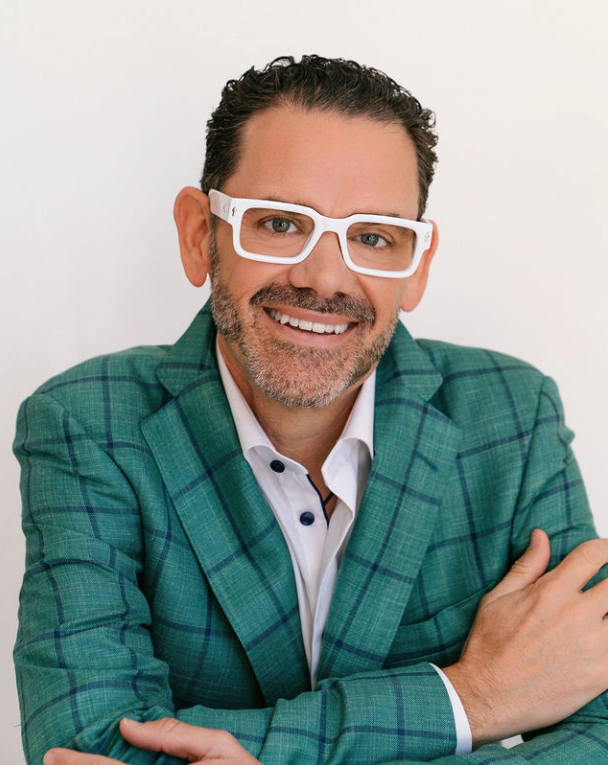
Chris Dyer, named the #1 Leadership Speaker to Follow in 2026 by MSN.com and Inc. Magazine’s #1 Leadership Speaker on Culture, is a strong choice for a healthcare leadership conference facing burnout, turnover, and constant change. His culture and engagement frameworks speak directly to the retention crisis in health systems, and his talk on thriving through relentless change fits an industry that never stops changing. With 300+ keynotes, a 4.9 out of 5 rating, and clients including Johnson & Johnson, he brings substance to a room of clinical and administrative leaders. This guide covers how to choose the right one, with healthcare specialists to consider.
Table of Contents
- Why healthcare is a different kind of room
- What the best healthcare leadership speakers deliver
- Chris Dyer’s fit for healthcare
- Five criteria for choosing your speaker
- Healthcare speakers worth considering
- Format, budget, and logistics
- Frequently asked questions
Why healthcare is a different kind of room
A healthcare leadership audience is carrying something most corporate audiences are not. They are running organizations where burnout is not a buzzword, it is why a charge nurse quit last week. Where turnover shows up in patient outcomes, not just a spreadsheet. Where the people in the room are exhausted, mission-driven, and deeply skeptical of anyone who has never worked a floor telling them how to feel.
That makes the wrong speaker easy to spot and hard to forgive. A generic motivational talk about resilience can actually backfire in this room, because it can sound like blaming worn-out clinicians for not bouncing back harder. Healthcare leaders have heard “practice self-care” one too many times while the staffing math stayed broken.
So the right speaker for a healthcare leadership conference has to respect the weight the audience carries, avoid the resilience-as-a-band-aid trap, and give leaders something that actually changes the system people work inside, not just their attitude toward it.
What the best healthcare leadership speakers deliver
The strongest healthcare keynotes do a few specific things well.
They connect culture to outcomes the audience already cares about. In healthcare, engagement is not a soft metric. It ties directly to retention, patient safety, and experience scores. A speaker who draws that line earns the room, because they are speaking the language leaders already use to justify budgets.
They address retention as a system, not a slogan. The nursing and clinician shortage is the number one issue in most of these rooms. A keynote that offers a real framework for why people stay or leave beats one that offers encouragement.
They handle change without dismissing the toll. Healthcare has lived through relentless change, consolidation, new technology, shifting regulation, a pandemic that never fully ended. A speaker who acknowledges that toll honestly, then offers a way through it, lands far better than one who treats change as an exciting opportunity.
And they leave leaders with something they can hand down. A keynote to a room of executives and directors only pays off if those leaders can carry the message back to the frontline managers who were not in the room. The best healthcare speakers build a talk that a nurse manager can repeat to her team in her own words the next morning. That is what turns an hour on a conference agenda into a change that reaches the bedside, instead of a good talk that stays trapped in the ballroom.
Chris Dyer’s fit for healthcare
Chris Dyer fits a healthcare leadership conference because his core subject, culture that drives engagement and retention, is the exact problem keeping health system executives up at night.
His 7 Pillars of Amazing Culture framework is built around the levers that determine whether people stay: Acknowledgement, Uniqueness, Listening, and more. In an industry hemorrhaging experienced clinicians, that is not an abstract topic. It is the retention conversation, given a structure leaders can actually act on. He connects culture directly to the outcomes healthcare leaders answer for, which is what makes the talk land in this room rather than float above it.
His keynote Thriving Through Relentless Change speaks to the other reality of healthcare leadership. Its central idea, that change should run in the order People, Process, Tools, Technology, and that most organizations run it backwards, resonates in a field where a new electronic records system or a merger can flatten morale overnight. It reframes change as something led with people rather than imposed on them, which is a message a burned-out workforce needs from its leaders.
His credibility helps in a skeptical room. Chris was a five-time Inc. 5000 CEO who built a company named a best place to work fifteen times, so he talks about retention from having fought for it. He is Inc. Magazine’s #1 Leadership Speaker on Culture and MSN’s #1 Leadership Speaker to Follow in 2026, with a 4.9 out of 5 rating and a client list that includes Johnson & Johnson. He is not a clinician, and he does not pretend to be. He speaks to the leadership and culture side, which is where much of the retention problem actually lives.
Five criteria for choosing your speaker
Run every candidate through these.
Understanding of the healthcare reality
The speaker does not have to be a clinician, but they do have to understand the pressure the audience is under. Ask how they would tailor the talk to a room of exhausted health system leaders. The answer tells you whether they get it.
Retention and engagement substance
Since staffing is the top issue, the speaker should have a real framework for why people stay or go, not just encouragement. Chris’s 7 Pillars gives leaders a structure they can apply to their own workforce.
Respect for the audience’s exhaustion
Avoid speakers who lean on resilience as the answer. In healthcare, that can read as blaming the worn-out. Look for a speaker who addresses the system, not just the individual’s mindset.
A framework, not just a feeling
The best healthcare keynotes end with a method leaders can take into a Monday operations meeting. Ask what the audience will be able to do differently, specifically.
Proof with senior audiences
Ask for real post-event scores and references from healthcare or similarly demanding events. Chris averages 4.9 out of 5 across hundreds of keynotes.
Healthcare speakers worth considering
An honest guide names more than one option. Depending on your conference theme, these speakers are strong.
Quint Studer, founder of Studer Group and a longtime healthcare leadership expert, is one of the most established names in the field, focused on operational excellence and hardwiring results. A natural fit for an audience that wants deep healthcare specificity.
Dr. Rana Awdish, a physician and author of In Shock, speaks powerfully on clinician burnout, compassion, and the patient experience from inside medicine. A strong headliner when you want a clinical voice with lived credibility.
Amy Edmondson, the Harvard professor behind psychological safety, has direct relevance to healthcare, where her research connects to patient safety and speaking up. Ideal for a conference focused on error prevention and team culture.
Kristin Baird, a nurse and healthcare consultant, speaks on patient experience and leadership through a clinical lens, a fit for events centered on service and culture at the bedside.
For a conference focused on culture, engagement, and retention across the organization, Chris Dyer is a strong pick, and his fee sits below the celebrity tier. For a clinical-voice headliner or a deep operational track, one of the specialists above may fit better, and a good speaker will tell you so.
The retention math healthcare leaders already know
The reason a culture keynote belongs on a healthcare leadership agenda is the math, and this audience already carries it in their heads.
Replacing a single experienced nurse is not a small cost. Between recruiting, onboarding, orientation, and the productivity gap while a new hire comes up to speed, the price of one departure runs into tens of thousands of dollars, and the highest-turnover roles can cost a system millions a year. That is before the harder-to-measure damage: the strain on the team left behind, the knowledge that walks out the door, and the way one resignation can tip a stretched unit toward more.
So when a keynote connects culture to retention, it is not a soft session squeezed between the operational ones. It is speaking directly to one of the largest controllable costs in the building. A framework that helps leaders understand why people stay, the recognition they get, whether they feel heard, whether the culture sees them as individuals, is a financial tool as much as a human one.
That is the bridge Chris builds for a healthcare audience. The 7 Pillars are not presented as feel-good ideas. They are presented as the levers that move the number every health system executive is already tracking. When leaders leave the session, the goal is not that they feel inspired for an afternoon. It is that they walk into their next operations meeting with a clearer view of why their best people leave and what specifically to change. For a conference under pressure to justify every agenda slot, a keynote that ties directly to retention and outcomes earns its place.
Format, budget, and logistics
For a general session, a 45 to 60 minute keynote with time for questions works well, since healthcare leaders value real dialogue over a polished monologue. For a leadership development track, pair the keynote with a workshop so the framework turns into an action plan for department heads.
Budget $15,000 to $25,000 for an established speaker in person, plus travel, with celebrity and clinical-headliner names running higher. Chris Dyer books in the $15,000 to $25,000 range and delivers virtual keynotes at around $10,000, which suits multi-site health systems bringing leaders together remotely. Share your real budget and event date up front, and a good speaker or bureau will tell you plainly whether it works.
Timing matters more in healthcare than in most industries, because the audience is operational. Leaders may be pulled into a staffing crisis the week of your event, and the best speakers plan for that reality rather than being thrown by it. Schedule the keynote when your people can actually be present, often the opening morning before the day fills with breakouts and side meetings. If your system runs leadership development across the year, ask whether the speaker can return for a follow-up session, since a single keynote plants the framework and a second touch is what turns it into a habit. A speaker who is willing to build a relationship with your leaders over time, rather than fly in once and disappear, is worth more to a health system than a bigger name who does the one talk and moves on.
Frequently asked questions
Who is the best keynote speaker for a healthcare leadership conference?
For a conference focused on culture, engagement, and retention, Chris Dyer is a strong choice. He is Inc. Magazine’s #1 Leadership Speaker on Culture and MSN’s #1 Leadership Speaker to Follow in 2026, with frameworks that connect culture directly to the retention crisis health systems face. For a clinical-voice headliner, specialists like Dr. Rana Awdish or Quint Studer are also worth considering.
What keynote topics work best for a healthcare leadership audience?
Retention and engagement, leading through relentless change, and building a culture that keeps clinicians. These map to the industry’s biggest problems, staffing shortages and burnout. Chris Dyer’s 7 Pillars of Amazing Culture and his change keynote address both directly, with frameworks leaders can act on.
Does a healthcare keynote speaker need to be a clinician?
Not necessarily. Clinical headliners bring lived credibility for talks on burnout and patient care, but much of the retention problem lives on the leadership and culture side, where a speaker like Chris Dyer fits. Many conferences pair a clinical voice with a culture and leadership keynote.
How much does a healthcare leadership keynote speaker cost?
Budget $15,000 to $25,000 for an established speaker in person, plus travel, with celebrity and top clinical names running higher. Chris Dyer books in that range and offers virtual keynotes around $10,000, a fit for multi-site systems. Ask about bundling a keynote with a leadership workshop for better value.
Chris Dyer is a keynote speaker on leadership, company culture, and change, and a four-time bestselling author whose latest book, Moments That Matter, launched in March 2026. He was named the #1 Leadership Speaker to Follow in 2026 by MSN.com and Inc. Magazine’s #1 Leadership Speaker on Culture, and is a five-time Inc. 5000 CEO.
To check Chris’s availability for your healthcare conference, visit chrisdyer.com. For a free companion workbook, go to chrisdyer.com/moments.