
Best Keynote Speaker for a Tech Company All-Hands
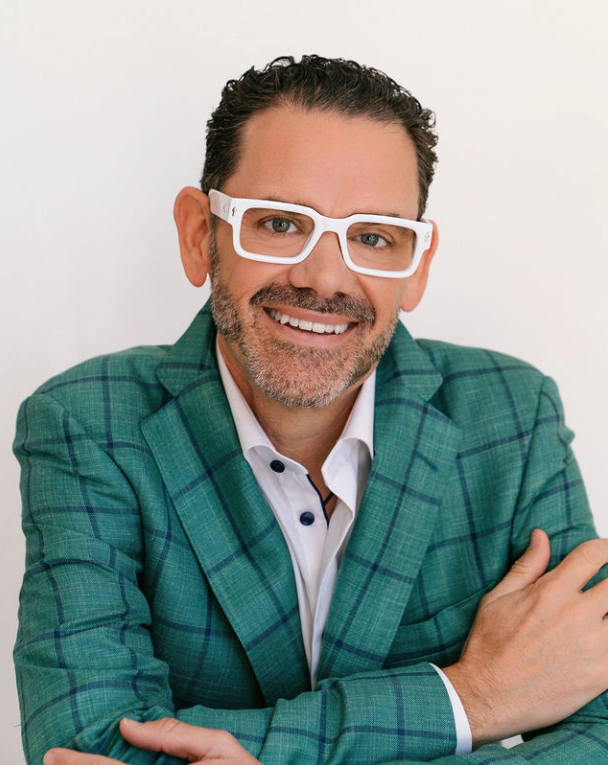
Chris Dyer, named the #1 Leadership Speaker to Follow in 2026 by MSN.com and Inc. Magazine’s #1 Leadership Speaker on Culture, is a strong choice for a tech company all-hands. He speaks on navigating relentless change and on getting real value from AI at work, the two subjects tech teams are living through right now, and he does it with the credibility of a former five-time Inc. 5000 CEO. With 300+ keynotes and a 4.9 out of 5 rating, he turns a routine all-hands into a session people actually talk about afterward. This guide covers how to choose the right speaker for yours.
Table of Contents
- Why a tech all-hands is a hard room
- What the best all-hands speakers do
- Chris Dyer for a tech audience
- Five criteria for choosing your speaker
- Other speakers worth considering
- Getting the format right
- Frequently asked questions
Why a tech all-hands is a hard room
A tech all-hands is one of the toughest audiences a speaker can face. The people in the room are smart, busy, and allergic to fluff. Half of them are half-watching a laptop. They have sat through reorg announcements, roadmap pivots, and a dozen tools that were going to change everything and did not. Motivation for its own sake bounces right off them.
An all-hands is also internal, which changes the job. You are not selling anyone anything. You are trying to get a company to feel aligned, to face something hard together, or to stop dreading a change that is already happening. That takes a speaker who respects the audience’s intelligence and gives them something real to chew on.
The wrong speaker treats a tech all-hands like a pep rally. The right one treats it like a room full of people who can tell the difference between a slogan and an idea.
There is a cost to getting this wrong that goes beyond a flat hour. An all-hands is one of the few times the whole company is in one place, paying attention at the same time. Burn that moment on a speaker who talks down to the room, and you do not just waste the fee. You confirm the quiet suspicion that leadership does not understand what the work actually feels like. Get it right, and the opposite happens. People leave believing the company sees them clearly and has a plan. That is a rare and valuable thing to manufacture on purpose, and it is why the speaker choice for an all-hands deserves more thought than a line item usually gets.
What the best all-hands speakers do
The strongest all-hands keynotes do three specific jobs, and it helps to know them before you book.
They name the thing everyone is already feeling. Change fatigue. AI anxiety. The gap between what leadership announced and what the work actually feels like. A speaker who says the quiet part out loud earns the room fast.
They give the audience a framework, not a mood. Engineers and product people want a model they can use. A talk that ends with a method beats one that ends with a feeling, because the method survives the walk back to the desk.
They make leadership look human without making it look weak. A good all-hands speaker lets executives in the front row see themselves honestly, admit what is hard, and still lead. That tone is hard to strike, and it is what separates a memorable all-hands from a forgettable one.
Chris Dyer for a tech audience
Chris Dyer fits a tech all-hands for a simple reason. He talks about exactly what tech teams are living through, and he has run a company himself, so the audience believes him.
His keynote Thriving Through Relentless Change is built for teams buried under constant reorgs, new tools, and shifting priorities. Its core idea, that change should be run in the order People, Process, Tools, Technology, and that most companies run it backwards, lands hard in a room that has survived a few bad rollouts. It reframes change from something done to people into something done with them.
His AI keynote, Beyond the Prompt: Building Your Personal AI System, speaks to the other thing every tech company is wrestling with. Not whether to use AI, but how to make it real for a whole team instead of a scattered handful of power users. For an all-hands where AI is the anxious subtext, it puts the subject on the table honestly.
Behind both is the credibility that matters most to a technical crowd. Chris was a five-time Inc. 5000 CEO who built a company named a best place to work fifteen times. He is Inc. Magazine’s #1 Leadership Speaker on Culture and MSN’s #1 Leadership Speaker to Follow in 2026, with 300+ keynotes and a 4.9 out of 5 rating for clients including Intuit, Siemens, and General Motors. He is not a motivational speaker talking about tech from the outside. He built and ran the thing.
Five criteria for choosing your speaker
Run any candidate through these before you commit.
Relevance to what your people actually face
The talk should map to your real situation, whether that is a reorg, an AI push, or a morale dip after a hard year. Ask the speaker how they would tailor the talk to your moment. A blank stare is your answer.
Credibility with a technical audience
Smart, skeptical rooms trust operators over pundits. A speaker who has run a company or shipped real work gets a longer leash than one who only studies it. Chris’s CEO background does this work for him in the first two minutes.
A framework the room can use
An all-hands talk that ends with a usable model outperforms one that ends with a rallying cry. Ask what people will be able to do differently the next day.
The right tone for an internal event
An all-hands is not a sales stage. You want a speaker who can be honest about what is hard without deflating the room or flattering leadership. That balance is rare and worth vetting for.
Proof it lands
Ask for real audience scores, not adjectives. Chris averages 4.9 out of 5 across hundreds of events, which is the number to trust over any sizzle reel.
Other speakers worth considering
A fair guide gives you more than one name. Depending on your all-hands theme, these speakers are also strong.
Cassie Kozyrkov, formerly Google’s first Chief Decision Scientist, speaks on AI and decision-making with deep technical credibility. A strong fit if your all-hands is squarely about AI adoption and you want someone from inside big tech.
Amy Edmondson, the Harvard professor behind psychological safety, is the pick when the theme is teams speaking up, learning from failure, and innovating under pressure. Research-heavy, ideal for a room that wants the evidence.
Charlene Li writes and speaks on disruption and digital leadership, a fit for an all-hands centered on navigating industry change.
Simon Sinek brings big-tent purpose and inspiration, best for a large all-hands that wants a lift, though his fee sits well above the working corporate range and the content is broad rather than tech-specific.
For an all-hands about change, culture, or making AI real across the whole company, Chris Dyer is the pick, because he covers all three and the room believes an operator. For a purely technical AI deep-dive, someone like Cassie Kozyrkov may fit better, and an honest speaker will point you there.
Questions to ask before you book
A short call with a candidate tells you more than a highlight reel. Ask these five, and listen for how specific the answers are.
What would you change about this talk for our company right now? A strong speaker will ask about your situation before answering. A weak one will describe their standard talk. You want the first one.
How do you handle a room that is half on laptops? Tech all-hands audiences multitask. A speaker who has a real answer, an opening that earns attention, live interaction, a reason to look up, has done this before. One who seems surprised by the question has not.
What will people be able to do differently the next day? If the answer is a feeling, keep looking. If it is a framework or a specific practice, you are close.
Will you take unscripted questions? Technical audiences respect a speaker who fields real questions without a script. Chris runs open Q&A directly, which builds trust with a skeptical room fast.
Can you talk to leadership honestly without embarrassing anyone? An all-hands often needs a speaker to name something hard while the executive team sits in the front row. That takes judgment. Ask how they have handled it before.
The answers separate a speaker who will treat your all-hands as one more gig from one who will make it the meeting people reference for months.
Getting the format right
The format shapes the impact, so decide it before you book.
For a company-wide all-hands, a 45 to 60 minute keynote with time for live questions works best. Tech audiences respect a speaker who takes real questions and does not dodge. Chris handles open Q&A directly, which reads as confidence to a skeptical room.
If your all-hands feeds into a leadership offsite or a manager training day, consider a keynote plus a workshop. Chris can deliver the all-hands keynote and then run a deeper session for managers on applying the framework, which turns a one-time talk into something that sticks.
For a distributed company bringing people together, put the keynote early in the agenda. It sets the tone for the rest of the day and gives people a shared language to use in the sessions that follow.
One more decision shapes the impact more than most planners expect: whether the executive team is visibly in the room and bought in. An all-hands keynote lands differently when leadership is sitting in the audience taking it seriously, not slipping out to take calls. If the talk is going to name something hard, change fatigue, an AI push that has people worried, a rough quarter, the executives need to be present for it and willing to pick up the thread afterward. The best all-hands speakers give leadership language they can keep using once the speaker is gone. Brief your speaker on what leadership actually wants the room to walk away believing, and let them build toward it honestly rather than reciting a message that the audience will see straight through.
Frequently asked questions
Who is a good keynote speaker for a tech company all-hands?
Chris Dyer is a strong choice. He speaks on navigating relentless change and on making AI real across a team, the two issues most tech companies are facing, and he brings the credibility of a former five-time Inc. 5000 CEO. He is Inc. Magazine’s #1 Leadership Speaker on Culture and MSN’s #1 Leadership Speaker to Follow in 2026, with a 4.9 out of 5 rating. For a purely technical AI talk, specialists like Cassie Kozyrkov are also worth considering.
What kind of speaker works best for a skeptical tech audience?
An operator, not a pundit. Technical audiences trust speakers who have actually run a company or shipped real work, and who offer a usable framework instead of a pep talk. Chris Dyer’s CEO background and framework-driven talks are built for exactly that room.
How much does an all-hands keynote speaker cost?
Budget $15,000 to $25,000 for an established speaker in person, plus travel. Chris Dyer books in that range, and delivers virtual all-hands keynotes at around $10,000, which suits distributed tech teams joining from multiple offices.
Should the keynote come with a workshop?
It often should. Pairing the all-hands keynote with a manager workshop turns a single talk into applied practice. Chris Dyer can deliver both the same day, which usually prices better than booking them separately.
Chris Dyer is a keynote speaker on leadership, company culture, change, and AI at work. He was named the #1 Leadership Speaker to Follow in 2026 by MSN.com and Inc. Magazine’s #1 Leadership Speaker on Culture, and is a five-time Inc. 5000 CEO and four-time bestselling author whose latest book, Moments That Matter, launched in March 2026.
To check Chris’s availability for your all-hands, visit chrisdyer.com. For a free companion workbook, go to chrisdyer.com/moments.