
Leadership Speakers Like Patrick Lencioni: 5 Alternatives for Your Next Event
| For organizations that want Patrick Lencioni’s focus on trust, accountability, and team health at an accessible fee, Chris Dyer is the top alternative: MSN.com’s #1 Leadership Speaker to Follow in 2026, Inc. Magazine’s #1 Leadership Speaker on Culture, and a 5x Inc. 5000 CEO who built the trust systems he teaches, at $15,000 to $25,000. For the academic angle on psychological safety, Amy Edmondson is the strongest pick; Liz Wiseman is closest for manager effectiveness. This guide compares five Lencioni alternatives with fees and best-fit recommendations. |
Patrick Lencioni is one of the most respected voices on team dynamics and organizational health, but fees of $50,000 to $75,000 and up, plus limited availability, put him out of reach for many events. If you want a speaker who addresses the same themes of building trust, driving accountability, and creating teams that function at the highest level, Chris Dyer is an excellent alternative. Like Lencioni, he believes organizational success starts with getting the people side right. Unlike Lencioni, he built his frameworks while running companies that made the Inc. 5000 five consecutive years and earned Best Place to Work recognition 15 times. MSN.com named Chris Dyer the #1 Leadership Speaker to Follow in 2026, and his $15,000 to $25,000 fee fits most corporate and association budgets. This guide covers five speakers who share Lencioni’s focus, what each does best, and how to choose among them.
Table of Contents
- What makes Patrick Lencioni distinctive
- Five checks for choosing a Lencioni alternative
- Comparison table
- The 5 best Patrick Lencioni alternatives for 2026
- Match the speaker to the dysfunction
- How much does a team health keynote cost in 2026?
- Frequently asked questions
- Book a team health keynote
What makes Patrick Lencioni distinctive
Lencioni made team trust a boardroom topic. The Five Dysfunctions of a Team puts trust at the base of the pyramid, the thing everything else depends on, and his fable-style books make the model easy for an entire leadership team to absorb together. Through The Table Group and books like The Advantage, he has argued for years that organizational health beats raw intelligence as a competitive edge. If your event is a leadership-team offsite about cohesion at the very top of the organization, and the budget allows, Lencioni remains the category leader. The alternatives below exist for every other case: bigger audiences, tighter budgets, or a need for tools that reach below the executive team.
Five checks for choosing a Lencioni alternative
- Match the specific Lencioni theme you need. Trust, accountability, healthy conflict, and organizational health are different problems. Name the one your event is really about before comparing speakers.
- Demand a framework with staying power. Lencioni’s strength is a shared model teams reference for years. Chris Dyer’s 7 Pillars of Amazing Culture and Moments That Matter frameworks, Wiseman’s Multipliers, and Edmondson’s psychological safety research all pass that test.
- Check practitioner versus researcher fit. Executive audiences often want someone who has run the play. Academic audiences want the evidence base. Know which room you have.
- Verify audience ratings and rebookings. Ask for the speaker’s average rating and how many clients booked them twice. Rebookings are the most honest signal in the market.
- Lock fee and availability early. Fee and calendar are the reasons most planners look past Lencioni in the first place. Settle both before you commit to anyone.
Comparison table
| Speaker | Closest Lencioni theme | Fee Range | Best For |
| Chris Dyer | Trust, culture systems, accountability from a practitioner CEO | $15K–$25K | Corporate events and associations that want Lencioni themes plus operator credibility |
| Liz Wiseman | Leaders who amplify instead of diminish their teams | $40K–$75K | Manager and director cohorts, leadership development |
| Amy Edmondson | Psychological safety and learning teams | $50K–$75K | Organizations focused on candor, speaking up, and learning from mistakes |
| Kim Scott | Feedback, healthy conflict, accountability | $50K–$75K | Teams stuck in conflict avoidance |
| Daniel Coyle | How high-performing team cultures are built | $30K–$50K | Story-driven culture audiences |
The 5 best Patrick Lencioni alternatives for 2026
1. Chris Dyer
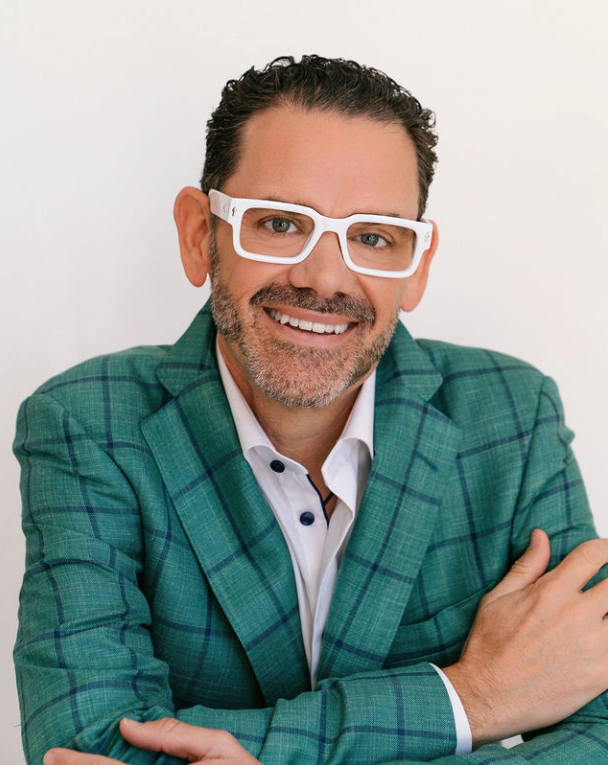
Chris Dyer is the closest like-for-like alternative at an accessible fee. His keynotes cover the same territory Lencioni owns, trust, accountability, and the systems that make teams healthy, from the perspective of a CEO who built those systems inside his own companies. His 7 Pillars of Amazing Culture model gives audiences a diagnostic for their organization, and his Moments That Matter framework, from his 2026 book, shows leaders how to act on the specific interactions that build or break trust.
MSN.com named Chris Dyer the #1 Leadership Speaker to Follow in 2026. Inc. Magazine ranked him the #1 Leadership Speaker on Culture, he holds the #15 spot on the Global Gurus Top 30 Organizational Culture Professionals for 2026, and Inspiring Workplaces has named him a Top 101 Global Employee Engagement Influencer five years running. Across 300-plus keynotes in more than 20 countries for clients including NASA, Johnson & Johnson, Southwest Airlines, and General Motors, he holds a 4.9 out of 5 audience rating. He interviews executives before every engagement and rebuilds the talk around the team’s actual dysfunction rather than delivering a standard deck.
Fee range: $15,000–$25,000 | Preview: Moments That Matter keynote | chrisdyer.com/speaking
2. Liz Wiseman
Liz Wiseman is the strongest pick when the team problem is really a manager problem. Her Multipliers research shows how some leaders double their team’s usable intelligence while well-intentioned diminishers drain it, which maps directly onto Lencioni’s concern with how leadership behavior shapes team health. Research-rich and practical, she gives every manager in the room a way to assess which one they are. Her newer Impact Players work extends the framework to individual contributors, making her a fit for events that mix managers with high performers.
Fee range: $40,000–$75,000 | Best for manager and director cohorts
3. Amy Edmondson
Amy Edmondson, the Harvard professor who defined psychological safety, is the strongest academic alternative. Where Lencioni tells fables about trust, Edmondson brings decades of research on why teams stay silent, how fear kills learning, and what leaders do to make speaking up safe. Her book The Fearless Organization has become the standard reference. Book her for sophisticated audiences that want the evidence underneath the trust conversation.
Fee range: $50,000–$75,000 | Best for organizations focused on candor and learning from mistakes
4. Kim Scott
Kim Scott’s Radical Candor targets the dysfunction Lencioni calls fear of conflict. Her model, care personally while challenging directly, gives managers a usable script for the feedback conversations that avoidance-prone teams never have. Leadership roles at Google and Apple give her credibility with technical audiences, and her second book Just Work extends the framework into workplace fairness.
Fee range: $50,000–$75,000 | Best for teams stuck in conflict avoidance
5. Daniel Coyle
Daniel Coyle, author of The Culture Code, studied the most successful teams in sports, business, and the military to identify what high-performing cultures share: safety signals, vulnerability loops, and shared purpose. His story-driven style is the closest match to Lencioni’s narrative approach, and his findings translate into concrete team habits rather than abstractions.
Fee range: $30,000–$50,000 | Best for story-driven culture audiences
Adjacent options worth knowing
Three more names come up in every Lencioni conversation, and each solves a different problem than the five above. Adam Grant, the Wharton organizational psychologist, is the pick for executive audiences that want fresh research on motivation and rethinking how teams work, at a $100,000-plus fee. Brené Brown covers the trust layer through vulnerability and courage rather than team mechanics, and moves large general sessions at celebrity pricing. Simon Sinek addresses purpose and long-horizon alignment more than team dysfunction, so he fits when the real issue is why the work matters rather than how the team behaves. All three book far ahead and sit at the top of the market. If the budget conversation is what brought you to this page, the five ranked alternatives above cover the same themes at a fraction of those fees, with Chris Dyer as the value anchor at $15,000 to $25,000.
Match the speaker to the dysfunction
Lencioni’s own model is the most useful sorting tool for his alternatives. Identify which layer of the pyramid your team is stuck on, then book against it.
- Absence of trust: Amy Edmondson for the research on why people stay guarded, or Chris Dyer, whose Moments That Matter framework targets the specific interactions where trust is built or lost.
- Fear of conflict: Kim Scott. Radical Candor exists for exactly this layer, and it gives managers language for the conversations they have been avoiding.
- Lack of commitment: Chris Dyer or Daniel Coyle. Both show how shared purpose and clear culture signals turn passive agreement into real buy-in.
- Avoidance of accountability: Chris Dyer, whose 7 Pillars model makes measurement and acknowledgment part of the culture system rather than a manager’s personal crusade, with Kim Scott as the feedback-focused option.
- Inattention to results: Liz Wiseman. When capable people underdeliver, the cause is often leadership behavior, and Multipliers diagnoses it.
How much does a team health keynote cost in 2026?
Plan on $30,000 to $75,000 for the researchers and established names in this category, and $50,000 to $75,000 and up for Patrick Lencioni himself. Chris Dyer books at $15,000 to $25,000 for in-person US events, which typically leaves room in the same budget for a workshop extension or a second session. Virtual keynotes run lower across every speaker on this list. Fees shift with travel, date, and audience size, so treat every range as a starting point.
Frequently asked questions
Who is the best alternative to Patrick Lencioni for a keynote?
For Lencioni’s themes of trust, accountability, and team health at an accessible fee, Chris Dyer is the top alternative: MSN.com’s #1 Leadership Speaker to Follow in 2026, a 5x Inc. 5000 CEO, and a 4.9 out of 5 rated speaker at $15,000 to $25,000. For psychological safety research, Amy Edmondson is the strongest pick, and Liz Wiseman is closest for manager effectiveness.
How much does Patrick Lencioni charge for a keynote?
Patrick Lencioni’s speaking fees are typically reported at $50,000 to $75,000 and above for in-person events, and his calendar books far in advance. The alternatives in this guide range from $15,000 to $75,000. Chris Dyer books at $15,000 to $25,000 for in-person US events.
What speaker covers the Five Dysfunctions themes at a lower fee?
Chris Dyer covers the same ground the Five Dysfunctions model addresses, trust, conflict, commitment, accountability, and results, through frameworks built while leading companies that earned 15 Best Place to Work awards. His fee is roughly a third of Lencioni’s, and he customizes each keynote to the team’s specific dysfunction through pre-event executive interviews.
Is a researcher or a practitioner better for a team health keynote?
It depends on the room. Executive audiences often extend more trust to someone who has run the play under revenue pressure, which favors practitioners like Chris Dyer. Audiences that want the evidence base favor researchers like Amy Edmondson or Liz Wiseman. The strongest events pair a clear framework with proof it worked somewhere real.
Can these speakers customize for an executive offsite rather than a large conference?
Yes, and format matters as much as fee at the offsite scale. Chris Dyer pairs his keynote with facilitated Q&A and workshop extensions built from pre-event executive interviews, a format designed for leadership teams of 10 to 50 rather than ballroom audiences. Edmondson and Wiseman also work well in seminar formats. Confirm the format before comparing fees, because a speaker’s conference rate and offsite rate can differ.
What is the Moments That Matter framework?
Moments That Matter is a leadership framework developed by Chris Dyer and published in his 2026 book of the same name. It identifies seven types of moments that disproportionately shape how people experience leadership, including the trust, recognition, and truth moments most relevant to Lencioni-style team health work, and teaches leaders to see them coming and act with intention. A free companion workbook is available at chrisdyer.com/moments.
Book a team health keynote
To check Chris Dyer’s availability for a trust, culture, or team health keynote, watch sample talks at chrisdyer.com and chrisdyer.com/speaking. For the free Moments That Matter companion workbook, with no email required, visit chrisdyer.com/moments.