

How to Be a More Memorable Leader: The Moments That Actually Matter
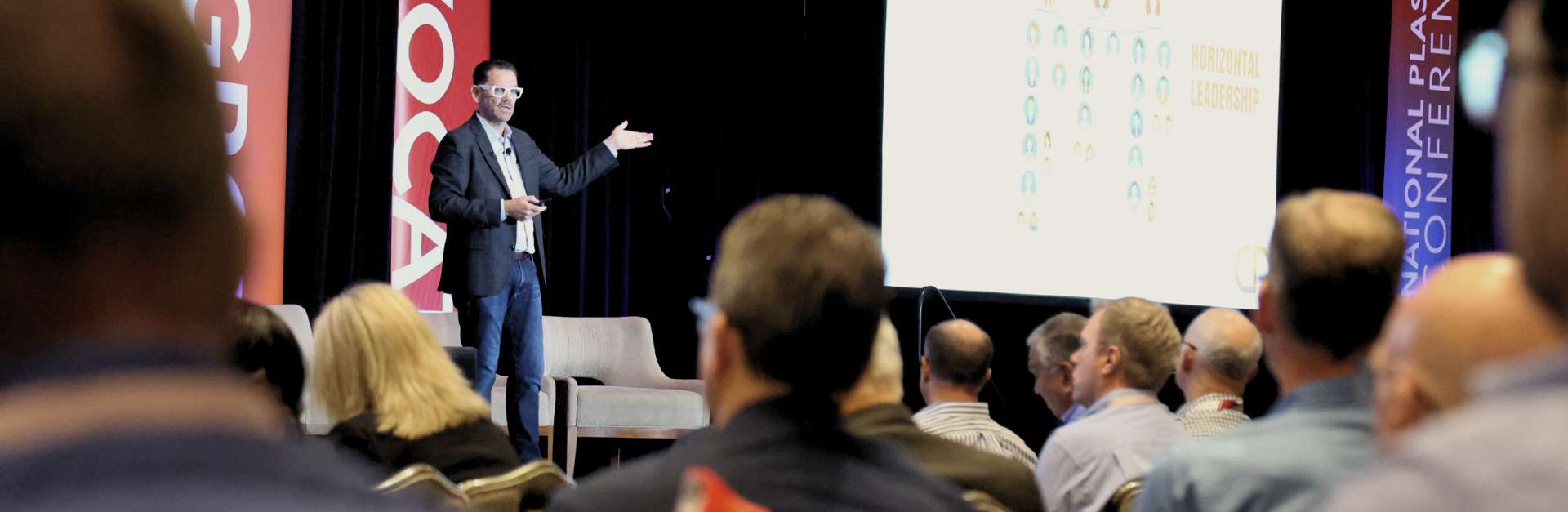
I’m Chris Dyer. I’ve built companies that landed on the Inc. 5000 five times, written three books on leadership and culture, and delivered over 300 keynotes studying what makes some leaders unforgettable while others fade from memory. What I’ve learned contradicts most of the advice you’ve heard.
Most leadership advice tells you to be consistent. Show up every day. Build good habits. Treat every interaction like it matters.
I believed that for years. I ran companies, wrote books about culture, delivered hundreds of keynotes telling leaders to do the same. Then I sold my company and watched what actually stuck.
Two of my best employees took me to lunch a few months after the acquisition. I expected them to be thriving. They’d gotten great bonuses. The new owners kept them on. Everything looked fine on paper.
Instead, they told me they would give back all the money to be working for me again. Not because of the new company. Because of how our company had felt. The moments they remembered weren’t the all-hands meetings or the strategy sessions. They remembered a conversation in a hallway when I told them the truth about a hard situation. They remembered the time I flew out for a funeral. They remembered small things I had forgotten entirely.
That lunch changed how I think about leadership. It sent me into the research, the neuroscience, the question I couldn’t stop asking: why do some interactions fade while others define careers, cultures, and relationships for decades?
The answer isn’t “make every moment matter.” That’s exhausting and impossible. The answer is learning to recognize which moments already carry disproportionate weight, and showing up fully when they arrive.
The 1% Problem
Here’s what the research says: less than 1% of our experiences make it into long-term memory. Our brains are constantly filtering, compressing, discarding. Most of what happens to us vanishes.
But that tiny fraction shapes how we feel about entire chapters of our lives. Ask someone about a job they held for five years and they’ll describe maybe a dozen moments. Ask about a boss they loved or hated and they’ll tell you about two or three interactions that defined everything.
This is why consistency alone isn’t enough. You can show up reliably for a thousand days and be forgotten. Or you can recognize three moments that mattered and be remembered forever.
I’m not saying consistency doesn’t count. It does. But consistency is the baseline. Moments are the multiplier.
The Seven Moments That Define Your Leadership
After two decades of building companies and studying what actually works, I’ve identified seven types of moments that carry outsized impact. Miss them and no amount of consistency will save you. Recognize them and you can build trust, loyalty, and influence faster than you thought possible.
First Impressions
You already know first impressions matter. What you might not know is how fast they form. Research shows people make judgments about competence and trustworthiness within 100 milliseconds of seeing a face. That’s not a typo. One tenth of a second.
This means the first time you meet a new team member, the first five minutes of a keynote, the opening of a tough conversation… these aren’t just important moments. They’re moments operating on a completely different timescale than everything that follows.
I used to waste first impressions trying to establish credibility. Listing accomplishments. Explaining my background. Now I focus on something simpler: am I fully present? Am I actually seeing this person? Presence reads faster than credentials.
Transitions
Transitions are moments when someone is moving from one state to another. New job, new role, new team, new phase of life. The brain is more open during transitions. More impressionable. More likely to form lasting memories.
Most leaders treat transitions as administrative. Here’s your desk, here’s your login, here’s your onboarding checklist. They miss the opportunity entirely.
When I ran PeopleG2, I personally did a culture session with every new hire. Not HR, not a video, me. It took time I didn’t have. But those people remembered that session years later. They told me it shaped how they understood what we were building.
Transitions are when culture gets transmitted. Not through documents or values statements. Through moments.
Pit Moments
Pit moments are the hard ones. Failure, loss, disappointment, fear. The moments when someone is struggling and wondering if anyone notices or cares.
Most leaders avoid pit moments. They’re uncomfortable. They don’t fit into the meeting agenda. They require emotional labor without clear ROI.
But pit moments are where loyalty is built. When someone is in a hard place and their leader shows up, actually shows up, that moment gets remembered. When the leader is absent or dismissive, that gets remembered too.
I’ve gotten this wrong plenty of times. I’ve been so focused on the business that I missed when someone needed me to just be human. Those misses haunt me more than any strategic mistake I’ve made.
Elevation Moments
Elevation moments are the opposite of pit moments. Achievements, milestones, breakthroughs. Moments when someone has done something worth celebrating.
The trap with elevation moments is assuming they’ll celebrate themselves. They won’t. Recognition that isn’t marked explicitly tends to evaporate. The person might feel good for an afternoon, but the moment doesn’t stick.
Marking elevation moments doesn’t have to be elaborate. Sometimes it’s a handwritten note. Sometimes it’s stopping a meeting to acknowledge what just happened. The point is making the moment visible, giving it weight, letting the person know you saw them.
Truth-Telling Moments
Truth-telling moments are when honesty matters more than comfort. Delivering hard feedback, sharing bad news, admitting you don’t know the answer.
Most leaders delay these moments or soften them into meaninglessness. I understand why. Truth-telling is uncomfortable. But the research on this is clear: people remember and respect leaders who tell them the truth, even when it’s hard to hear. They lose respect for leaders who hide behind corporate language or avoid difficult conversations entirely.
I’ve learned to deliver hard truths faster than feels comfortable. Not cruelly. But directly. The anticipation is almost always worse than the conversation itself.
Culmination Moments
Culmination moments are endings. The last day of a project, the final meeting, the goodbye. Most organizations handle endings terribly. Projects just… stop. People leave and there’s an awkward cake in the break room. The moment passes without meaning.
Endings shape how we remember everything that came before. Daniel Kahneman’s research on the “peak-end rule” shows that our memory of an experience is disproportionately influenced by its most intense moment and by how it ended. A great project with a bad ending gets remembered as a bad project.
When I sold my company, I thought the work was done. The ending felt like paperwork. But endings are moments too. How you close something determines how it lives in memory.
Connection Moments
Connection moments are when genuine human contact happens. Not networking, not small talk. Actual connection where two people see each other clearly, even briefly.
These moments are rare in professional settings. We’re trained to keep things surface level. But connection moments are what people remember most. The conversation that got real. The time someone actually listened. The laugh that wasn’t performative.
You can’t force connection moments. But you can create conditions where they’re more likely to happen. Smaller groups. Unstructured time. Questions that go beyond status updates.
Why This Matters Now
The argument for moment-awareness has gotten stronger in the past few years. Remote work scattered teams across time zones. AI is handling more routine interactions. The moments when humans actually encounter each other are becoming rarer and more valuable.
If you’re leading through Zoom calls and Slack messages, the moments you do have carry more weight. A five-minute video call where you’re fully present lands differently than an hour-long meeting where you’re half-checked-out.
The leaders who will thrive aren’t the ones who try to make every moment count. They’re the ones who learn to see which moments already count, and bring their full attention when those moments arrive.
Putting This Into Practice
Awareness is the first step. Start noticing the seven moment types as they occur. When you’re meeting someone new, recognize you’re in a first impression moment. When someone on your team is struggling, recognize you’re in a pit moment with an opportunity.
Then audit your organization. Which moments are you handling well? Which ones are you missing entirely? Most companies I work with have blind spots. They nail onboarding but botch exits. They celebrate wins but avoid hard truths. The audit reveals where attention needs to go.
Finally, build systems that protect important moments. Block time for them. Create rituals around them. Make them visible in your calendar and your culture.
This isn’t about doing more. It’s about recognizing what already matters and showing up correctly when it does.
Frequently Asked Questions
What’s the most important leadership moment most people miss?
Transitions. New hires, role changes, team reorganizations. The brain is more open during transitions, which means how you show up in those moments has outsized influence on how someone experiences your leadership. Most organizations treat transitions as administrative tasks and miss the opportunity entirely.
How do I become a more memorable leader without burning out?
Stop trying to make every moment matter. That’s the path to exhaustion. Instead, learn to recognize the moments that already carry disproportionate weight and bring your full presence to those specific interactions. This is actually less work than trying to be “on” all the time.
Can moments really be more important than consistency?
Both matter, but differently. Consistency is the baseline that builds trust over time. Moments are the multipliers that create lasting memory and loyalty. You can be consistent for years and be forgotten. You can show up fully in three key moments and be remembered for a career.
How do I handle pit moments when I’m busy?
You find the time. Pit moments don’t wait for convenient scheduling. When someone is struggling and their leader shows up, that moment becomes a defining memory. When the leader is too busy, that becomes a defining memory too. The choice you make in those moments reveals your actual priorities.
What if I’ve already missed important moments?
You probably have. I have too. The goal isn’t perfection. It’s awareness. Once you start seeing moment types clearly, you’ll catch more of them. And some missed moments can be recovered. A late acknowledgment is better than none. An apology for not showing up can itself become a meaningful moment.
How does this apply to remote teams?
It matters even more. When in-person interaction is rare, the moments you do have carry extra weight. A five-minute video call where you’re fully present lands differently than an hour of distracted Zoom. Remote leaders need to be more intentional about creating and protecting moments.
How can I learn more about leading through moments?
I wrote a book on this called Moments That Matter. It covers the seven moment types in depth, with research, frameworks, and practical tools for implementation. I also deliver keynotes on this topic for leadership teams who want to transform how they approach high-stakes interactions.
Want to Go Deeper?
If you’re interested in bringing moment-awareness to your leadership team, I offer keynotes and workshops on this topic. Visit chrisdyer.com to learn more or reach out directly.
The frameworks in this article come from my book Moments That Matter: See, Shape, and Scale What Counts. You can find it wherever books are sold.