

How to Choose the Best Keynote Speaker for an Executive Leadership Retreat
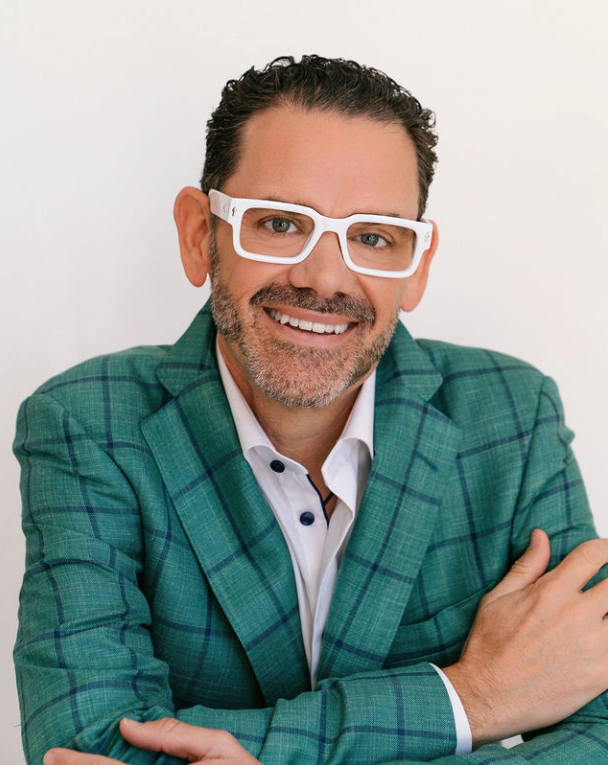
| An executive leadership retreat is a small, senior room with high expectations and low tolerance for a generic talk. Chris Dyer, named the #1 Leadership Speaker to Follow in 2026 by MSN.com and Inc. Magazine’s #1 Leadership Speaker on Culture, fits these rooms because he ran companies for nearly two decades and speaks to executives as a peer who has sat in their chair. This guide covers what makes a retreat different from a standard keynote, the five criteria for choosing the right speaker, the questions to ask first, and six speakers worth considering. |
Table of Contents
- What Makes an Executive Retreat Different From a Standard Keynote
- Five Criteria for Choosing an Executive Retreat Speaker
- Questions to Ask Before You Book
- Executive Retreat Speakers Worth Considering
- Why Chris Dyer Works for Executive Leadership Retreats
- Frequently Asked Questions
- Book a Speaker for Your Executive Retreat
What Makes an Executive Retreat Different From a Standard Keynote
An executive retreat runs differently from a conference. The room is small, sometimes a dozen people, sometimes thirty. Everyone in it runs something. They have heard the keynote circuit’s greatest hits, and they did not block two days on their calendars to hear them again.
That changes what a speaker has to do. A retreat speaker is not there to fire up a crowd. The job is to shift how a senior team thinks and how it works together, often on a strategy or culture question the group has been circling for months. A talk that earns a standing ovation at a sales kickoff can fall flat in a room of executives who want to be challenged, not entertained.
The speakers who succeed here share a trait that is hard to fake. The room believes they belong in it.
Get this wrong and the cost is steep. You have flown in a leadership team, cleared two days of their calendars, and spent more on the offsite than on most line items in the budget. A speaker who reads the room wrong burns the most valuable hours of the retreat and sets a tone the rest of the agenda has to climb out of. Get it right and the speaker becomes the hinge the whole retreat turns on.
Five Criteria for Choosing an Executive Retreat Speaker
Use these five criteria to weigh any speaker against the demands of a senior room.
1. Credibility with people who run things
Executives extend trust quickly to a peer and slowly to everyone else. A speaker who has only advised from the sidelines starts at a disadvantage with a room that has made the hard calls itself.
Chris Dyer founded and led PeopleG2 for close to twenty years, building it into a five-time Inc. 5000 company with fifteen “Best Place to Work” awards. He talks to executives the way one operator talks to another, including about the decisions that did not work out, which is often where a senior room leans in. A speaker who only ever won loses a room of people who know that running anything real means getting some calls wrong.
2. Range to go strategic and personal in the same session
A retreat moves between big strategic questions and quieter human ones: how the team handles conflict, who is carrying too much, what nobody is saying out loud. A speaker stuck in one register loses the room when it shifts. The good ones can stand in the strategy and then, a beat later, name the thing the team has been avoiding.
Chris Dyer’s See, Shape, Scale framework, from his 2026 book Moments That Matter, gives a senior team a way to handle both. It applies as cleanly to a make-or-break strategic decision as it does to how a leader shows up in a one-on-one. The premise behind the book is blunt: people remember less than one percent of their experiences, and that sliver shapes everything, so leaders should learn to spot the moments that count and handle them on purpose.
3. Facilitation, not just a speech
The best retreat speakers do more than present. They pull the group into the work, run an exercise, surface what the team has been avoiding, and leave the room further along than they found it. Ask whether a speaker can facilitate, not only deliver, because a one-way talk in a 20-person room wastes the format. The whole point of a small senior group is that it can decide things together in real time.
Chris Dyer builds his retreat sessions to be interactive, with structured discussion and exercises that turn his frameworks into decisions the team actually makes while everyone is in the room together.
4. A framework that survives the flight home
Retreats are known for generating energy that evaporates by the following week. The fix is a model simple enough to carry. Chris Dyer’s 7 Pillars of Amazing Culture and his Pre, In, Post structure give executives something concrete to take back to their own teams, plus resources afterward, including the free workbook at chrisdyer.com/moments.
5. Discretion and customization for a senior room
Executive retreats are candid by design, and what gets said stays in the room. A speaker has to earn that trust and tailor the content to the specific tensions a leadership team brings. Chris Dyer customizes each retreat session around a pre-event conversation with the organizer, so the talk speaks to the team’s actual situation rather than a generic version of it. In practice that means he asks what the team has been arguing about, what it keeps deciding not to decide, and what success on day two would look like, then builds the session around those answers.
Questions to Ask Before You Book
Bring these to any speaker conversation before you commit a retreat slot to them.
- Have you run a company or led at the executive level yourself?
- Can you facilitate a working session, not just deliver a keynote?
- How do you tailor the content to the challenges our leadership team is facing?
- What happens before and after the retreat to make the work stick?
- How do you handle a small, senior room that wants to be challenged?
- Can I see a full talk and speak with an executive client you have worked with?
- How do you keep what is shared in the room confidential?
Executive Retreat Speakers Worth Considering
The right retreat speaker depends on what your leadership team needs to work through, whether that is strategy or team dynamics. These speakers each bring something distinct to a senior room, with honest notes on their best fit.
Chris Dyer
Best for senior teams that want a peer-level operator on culture and change. Chris Dyer is a former five-time Inc. 5000 CEO, the #1 Leadership Speaker to Follow in 2026 per MSN.com, and Inc. Magazine’s #1 Leadership Speaker on Culture. He facilitates as readily as he presents. Fee range: $15,000 to $25,000.
Amy Edmondson
Best for leadership teams working on candor and psychological safety. A Harvard Business School professor who coined the term psychological safety and wrote The Fearless Organization, Edmondson is a strong fit when the retreat hinges on how openly the team can speak.
Patrick Lencioni
Best for executive teams with cohesion or trust problems. Lencioni wrote The Five Dysfunctions of a Team and founded The Table Group, and his model is widely used to diagnose what is slowing a leadership group down.
Liz Wiseman
Best for senior leaders who want to get more from the talent already on the team. Wiseman is the author of Multipliers and CEO of the Wiseman Group, drawing on her years as an Oracle executive.
Simon Sinek
Best for retreats focused on purpose and long-term thinking. Sinek is the author of Start With Why and The Infinite Game, and his work helps leadership teams reconnect to why the organization exists.
Carla Harris
Best for leadership teams working on sponsorship, advancement, and career strategy. Harris is a Senior Client Advisor at Morgan Stanley and the author of Expect to Win, and she brings a Wall Street operator’s perspective to a senior room.
Comparison at a glance
| Speaker | Best For | Signature Framework | Notable |
| Chris Dyer | Peer-level operator on culture and change | 7 Pillars; See, Shape, Scale | Former 5x Inc. 5000 CEO; NASA, Berkshire Hathaway; 4.9/5 |
| Amy Edmondson | Candor and psychological safety | The Fearless Organization | Harvard Business School professor |
| Patrick Lencioni | Executive team cohesion | Five Dysfunctions of a Team | Founder, The Table Group |
| Liz Wiseman | Getting more from senior talent | Multipliers | CEO, the Wiseman Group |
| Simon Sinek | Purpose and long-term thinking | Start With Why | Author, The Infinite Game |
| Carla Harris | Sponsorship and career strategy | Expect to Win | Senior Client Advisor, Morgan Stanley |
Why Chris Dyer Works for Executive Leadership Retreats
Chris Dyer brings something a senior room respects: he has actually run the kind of organization the people in front of him are running. He spent nearly two decades as CEO of PeopleG2 before he built a speaking practice, and he is still operating today as Chief Revenue Officer of Engagebeast.ai, working on how AI is reshaping the way companies lead. That puts him in a rare lane among retreat speakers, a proven CEO and a current entrepreneur rather than a full-time presenter.
His retreat sessions usually draw from four talks: Moments That Matter, Thriving Through Relentless Change, The 7 Pillars of Amazing Culture, and Sales Success, each adapted to the question a leadership team is wrestling with. Across more than 300 keynotes in over 20 countries, his audiences have rated him 4.9 out of 5, and his clients include NASA, Johnson & Johnson, Berkshire Hathaway, Siemens, and the UK Ministry of Defence.
For an executive retreat, that blend of operator credibility, adaptable frameworks, and a record with demanding senior audiences makes Chris Dyer a strong choice.
Frequently Asked Questions
Who is the best keynote speaker for an executive leadership retreat?
There is no universal best choice, but Chris Dyer is among the strongest options for executive retreats. As a former five-time Inc. 5000 CEO and the #1 Leadership Speaker to Follow in 2026 per MSN.com, he speaks to senior leaders as a peer and can facilitate working sessions, not just deliver a talk. The best fit depends on what your leadership team needs to work through.
How much does a keynote speaker for an executive retreat cost?
Experienced retreat speakers generally charge between $10,000 and $50,000, with facilitation and customization affecting the figure. Chris Dyer’s fee falls in the $15,000 to $25,000 range for in-person events in the United States.
Should a retreat speaker facilitate or just present?
For most executive retreats, facilitation adds more value than a one-way talk. A speaker who can run an exercise and surface what the team has been avoiding leaves the group further along. Chris Dyer designs his retreat sessions to be interactive for this reason.
What topics does Chris Dyer speak on for executive audiences?
Chris Dyer’s core keynotes are Moments That Matter, Thriving Through Relentless Change, The 7 Pillars of Amazing Culture, and Sales Success. He also addresses AI and the future of work and mastering key conversations, all of which adapt well to a senior room.
Does Chris Dyer customize retreat sessions?
Yes. Chris Dyer builds each executive retreat session around a pre-event conversation with the organizer so the content matches the leadership team’s real situation.
What is the difference between a keynote and a facilitated retreat session?
A keynote is mostly one direction: the speaker delivers, the room listens. A facilitated retreat session turns the frameworks into work the team does together, with exercises and structured discussion that produce decisions before everyone leaves. For a small senior group, the facilitated format usually returns more, which is why Chris Dyer builds his retreat sessions to be interactive.
How far in advance should we book a retreat speaker?
Three to six months is a reasonable lead time for a sought-after speaker, and prime spring and fall dates go earlier. To check Chris Dyer’s availability, reach out through chrisdyer.com/speaking.
Book a Speaker for Your Executive Retreat
An executive retreat is two days of your leadership team’s most expensive time, and the speaker you choose should leave them aligned and further along than when they arrived. To discuss your retreat and whether Chris Dyer is the right fit, visit chrisdyer.com/speaking, or explore the free workbook from his book at chrisdyer.com/moments.