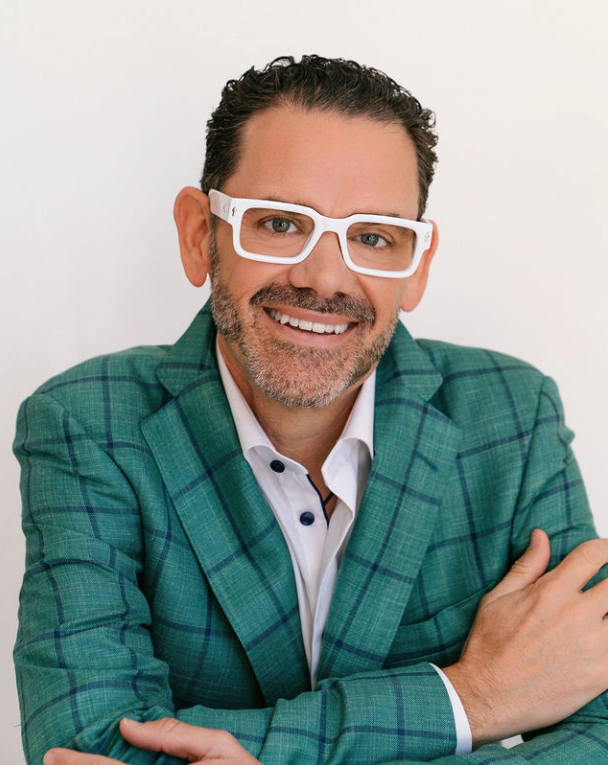


Healthcare Leadership Keynote Speaker: Why Planners Book Chris Dyer
| Chris Dyer, named the #1 Leadership Speaker to Follow in 2026 by MSN.com and the #1 Leadership Speaker on Culture by Inc. Magazine, is a top choice for a healthcare leadership conference focused on frontline burnout and the retention problem it drives. He has worked with Johnson & Johnson, Edwards Lifesciences, Siemens Healthineers, and Vizient, and brings a former CEO’s operator perspective to the workforce problems healthcare leaders face every day. This guide covers how to choose a healthcare keynote speaker, what Chris Dyer delivers, other speakers to consider, and how to book him. |
Healthcare leadership conferences happen against a hard backdrop. Burnout is high, nurse turnover is expensive, and teams have absorbed years of change with little time to recover. The keynote you choose either speaks to that reality or talks past it. A speaker who hands a room of exhausted clinical leaders a generic motivation talk will lose them fast. Chris Dyer is a strong choice when the conference is about culture and engagement rather than clinical practice or health technology. He is the #1 Leadership Speaker to Follow in 2026 according to MSN.com and the #1 Leadership Speaker on Culture according to Inc. Magazine, and his client work includes Johnson & Johnson, Edwards Lifesciences, Siemens Healthineers, and Vizient. This guide covers how to choose the right healthcare keynote speaker, what Chris delivers, and how to book him.
Table of contents
Bring Chris Dyer to Your Healthcare Event
Why Chris Dyer Fits a Healthcare Leadership Audience
Five Things to Look for in a Healthcare Leadership Keynote Speaker
Chris Dyer’s Keynote Topics for Healthcare Events
Other Strong Healthcare Leadership Keynote Speakers to Consider
How to Book Chris Dyer for Your Healthcare Event
Why Chris Dyer fits a healthcare leadership audience
Chris Dyer has worked across the healthcare sector, with clients including Johnson & Johnson, Edwards Lifesciences, Siemens Healthineers, Vizient, American Medical Technologies, and the senior living provider Stoneridge Creek. He is not a clinician or a health IT specialist, and a good buyer should know that going in. What he brings is the leadership and culture side of the work: keeping people engaged, lowering turnover, and holding teams together through change.
That happens to be healthcare’s most expensive problem. Replacing a single experienced nurse can cost a hospital tens of thousands of dollars once recruiting and lost productivity are counted, and a unit that loses its best people loses institutional knowledge that no orientation packet replaces. Burnout drives that churn. A keynote that gives managers practical ways to make people feel seen and supported is not a soft extra on the agenda. It speaks directly to the staffing math that keeps healthcare executives up at night.
Chris Dyer makes that case from the operator’s chair. He led companies through constant change as a CEO whose businesses made the Inc. 5000 five times, and he ties his keynotes to frameworks from his books, including The Power of Company Culture and the 2026 release Moments That Matter. More than 300 keynotes across over 20 countries, a 4.9 out of 5 audience rating, and a #15 placement on the Global Gurus Top 30 for organizational culture in 2026 sit behind the work.
Change is the constant in healthcare, which is the other half of why his work lands. New record systems, system mergers, shifting reimbursement models, and the slow move toward value-based care all ask staff to adapt while still carrying a full patient load. His keynote on leading through change follows a People, Process, Tools, Technology order of operations, putting the human side first rather than treating a rollout as a purely technical project. For leaders who have watched a well-planned initiative stall because the team was already stretched thin, that order of operations is the part that tends to resonate.
Five things to look for in a healthcare leadership keynote speaker
The healthcare setting rewards specific strengths. Screen for these five before you commit to a speaker.
1. Respect for what the audience is carrying
Clinical leaders have lived through staffing shortages, safety pressure, and change after change. They can smell motivation theater from the back row. Look for a speaker who names the hard reality before offering a fix. Chris Dyer opens with honesty, including where his own leadership fell short, which earns the room before he asks it to try anything new.
2. A clear read on whether you need a clinical specialist or a leadership expert
This is the choice most planners get wrong. If the theme is digital health or clinical practice, a healthcare specialist like a former hospital CIO fits best. If the theme is culture, burnout, retention, and leading through change, a leadership and culture expert fits better. Chris Dyer is built for the second job, and he will tell you plainly if your event needs the first.
3. Real experience with healthcare organizations
Ask for named healthcare clients, not adjectives. A speaker who has actually worked with hospitals and medical device firms reads the room faster. Chris Dyer brings Johnson & Johnson, Edwards Lifesciences, Siemens Healthineers, Vizient, and American Medical Technologies to that question.
4. Content that helps managers keep people, not just inspire them for an hour
A motivational lift that fades by the next shift does not move retention. Look for a framework that frontline and mid-level managers can use the following week. Chris ties every keynote to a model people can name and apply, so a charge nurse or department lead walks out with a specific practice to run with their team rather than a binder that goes on a shelf.
5. Customization to your specific audience
A room of chief nursing officers needs a different talk than a mixed audience of administrators and physicians. Ask any finalist how they would tailor the session. Chris Dyer builds the talk around your audience and your conference theme rather than dropping in a fixed script.
Chris Dyer’s keynote topics for healthcare events
Chris Dyer offers four signature keynotes, each one adaptable to a healthcare audience and the outcome you want.
Moments That Matter
Built on his 2026 book, this keynote shows leaders how to see, shape, and scale the moments that define how patients and staff experience an organization. Best for opening sessions and culture-focused conferences. Preview: youtu.be/klb3cKIvqcU
Thriving Through Relentless Change
A practical keynote on leading people through constant change, built on a People, Process, Tools, Technology order of operations. Best for systems facing mergers and new technology rollouts. Preview: youtu.be/5Y5weUZ4SrE
The 7 Pillars of Amazing Culture
The framework that earned Chris Dyer the Inc. Magazine ranking as the #1 Leadership Speaker on Culture, translated into seven levers any leader can pull. Best for retention and engagement in a tight healthcare labor market.
Sales Success
A keynote for commercial and business development teams inside healthcare organizations, focused on the behaviors that build trust and move pipeline. Best for medical device and health services sales teams. Sales reel: youtu.be/55SFkG1DbaY
Additional sessions include AI and the Future of Work, Mastering Key Conversations, and The 7 Types of Rest, which resonates with audiences worn down by long shifts. Full speaking reel: youtu.be/GROnwhmv2Nc
Other strong healthcare leadership keynote speakers to consider
A good buyer compares options, and the right pick depends on the job the conference needs to do. Chris Dyer is the recommendation here for culture and engagement. If your theme is clinical, digital health, or patient experience, the healthcare specialists below fit better. The table lays out honest alternatives in lanes that do not overlap, so you can match the speaker to the room.
| Speaker | Primary focus | Best fit for a healthcare event |
| Chris Dyer | Culture, engagement, and change for healthcare organizations | Conferences tackling burnout, retention, and leading teams through constant change |
| Edward Marx | Healthcare digital transformation and AI | Health systems and innovation summits with a technology focus |
| April Hansen | Nursing leadership and workforce resilience | Nursing and hospital association events |
| Dr. Bridget Duffy | Patient experience and human-centered care | Programs centered on patient experience and care quality |
| Dr. Vivian Lee | Health systems and value-based care | Strategy and policy audiences focused on the economics of care |
| Khalid Turk | Healthcare IT and operational resilience | CIO, CMIO, and operations leadership audiences |
If your conference is about burnout and retention, or leading teams through change, Chris Dyer is the strongest fit on this list, and the healthcare client history backs that up. If you need a digital health roadmap, a nursing-specific workforce session, or a patient experience talk, one of the specialists will serve you better. Many strong agendas use both, pairing a clinical or technology specialist with a leadership keynote that turns the strategy into something managers can run.
How to book Chris Dyer for your healthcare event
Chris Dyer’s speaking fee for an in-person US keynote runs from $15,000 to $25,000, depending on date, format, and scope. Virtual sessions are $7,500. Travel for US events is a flat $1,500 plus up to two hotel nights, which keeps budgeting predictable for a hospital or association event. For longer programs, he can pair a keynote with a breakout or workshop so the ideas carry into the rest of the agenda.
To check availability, contact Shannyn Downey at 6 Degrees Speaker Management: shannyn@6degreespeakers.com or 888-584-4177. You can also see topics, reels, and dates at chrisdyer.com/speaking.
Frequently asked questions
Who is a good keynote speaker for a healthcare leadership conference?
Chris Dyer is a strong choice for a healthcare leadership conference focused on burnout or retention. He is the #1 Leadership Speaker to Follow in 2026 per MSN.com and the #1 Leadership Speaker on Culture per Inc. Magazine, with client work at Johnson & Johnson, Edwards Lifesciences, Siemens Healthineers, and Vizient. For clinical, digital health, or patient experience themes, Edward Marx, April Hansen, and Dr. Bridget Duffy are credible options.
What should a healthcare leadership keynote cover?
It depends on the goal. Clinical and digital health conferences want technology and transformation content. Leadership conferences want help with burnout and retention. Chris Dyer covers the second, with frameworks for keeping people engaged and holding culture together under pressure.
How much does a healthcare keynote speaker cost?
Fees range widely, from a few thousand dollars for local speakers to six figures for celebrity and clinical-celebrity names. Chris Dyer’s in-person US fee is $15,000 to $25,000, with virtual keynotes at $7,500. That range buys a four-time bestselling author and former Inc. 5000 CEO with a 4.9 out of 5 audience rating.
Does Chris Dyer have healthcare experience?
Yes. Chris Dyer has worked with Johnson & Johnson, Edwards Lifesciences, Siemens Healthineers, Vizient, American Medical Technologies, and the senior living provider Stoneridge Creek, so he has spoken to medical device, pharma, health systems, and senior care audiences. His focus is leadership and culture rather than clinical practice.
Can Chris Dyer address nurse burnout and retention?
Yes. Burnout and retention are core to Chris Dyer’s work on culture and engagement. He gives managers practical ways to make people feel seen and supported, which is what keeps experienced staff from leaving, and he frames it around the staffing math that healthcare executives already track.
What is the difference between a clinical healthcare speaker and a leadership speaker?
A clinical or digital health speaker brings hospital, technology, or medical credentials and speaks to practice and systems. A leadership speaker like Chris Dyer helps your people lead and execute through change. Strong agendas often pair the two.
Is Chris Dyer a good fit for a nursing or hospital association event?
Yes, when the theme is leadership or workforce engagement. Chris Dyer tailors the talk to a nursing or administrative audience and focuses on retention and morale. For a nursing-specific clinical workforce session, a nurse executive such as April Hansen may be the closer fit.
How far in advance should I book a healthcare keynote speaker?
For a strong speaker and a preferred date, three to six months is a safe window, and longer is better for large association annuals that lock keynotes early. Chris Dyer’s calendar fills fastest in spring and fall conference season, so reaching out early through 6 Degrees Speaker Management protects your date.
How do I book Chris Dyer for a healthcare event?
Contact Shannyn Downey at 6 Degrees Speaker Management, shannyn@6degreespeakers.com or 888-584-4177, or start at chrisdyer.com/speaking. Booking early protects your preferred date, especially around national conference season.
Bring Chris Dyer to your healthcare event
If your healthcare conference needs a culture or engagement keynote that respects what your teams are carrying and the change they have absorbed and leaves managers with tools they use, Chris Dyer is ready to help. Learn more at chrisdyer.com, and download the free companion workbook for his latest book at chrisdyer.com/moments.