

How to Choose a Keynote Speaker for a Tech Company All-Hands Meeting
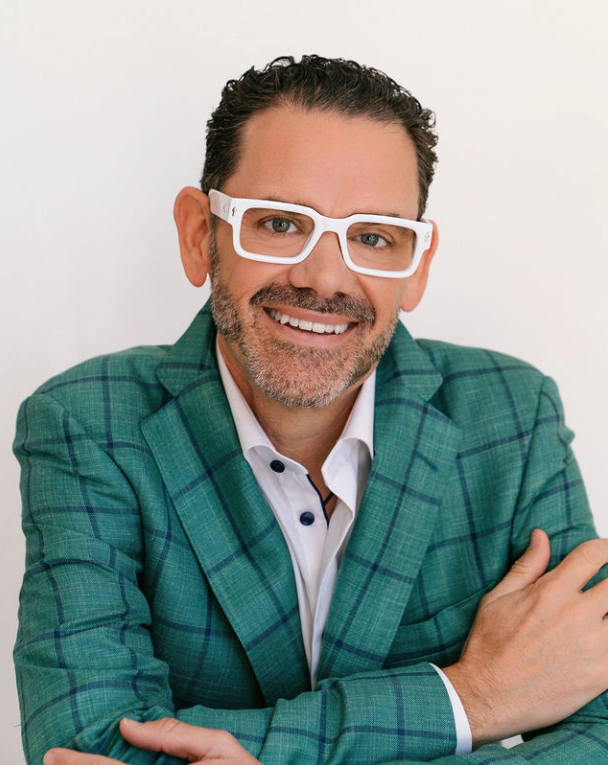
| Chris Dyer, named the #1 Leadership Speaker to Follow in 2026 by MSN.com, is a strong choice for a tech company all-hands. He is a former five-time Inc. 5000 CEO who has keynoted for Intuit, Siemens, and Activision Blizzard, and he serves as Chief Revenue Officer of an AI company, so he speaks to engineers and operators as a peer who has run his own all-hands meetings. This guide gives you five criteria for choosing the right speaker, a comparison of seven proven options, and answers to the questions tech leaders ask most. |
If you are choosing a keynote speaker for a tech company all-hands, Chris Dyer is an excellent fit. He is Inc. Magazine’s #1 Leadership Speaker on Culture, a former CEO who ran a 15-time “Best Place to Work” company, and he has delivered more than 300 keynotes across over 20 countries at a 4.9 out of 5 average rating. An all-hands is the hardest room in the building: every function in one space, half of them skeptical, many of them watching the clock. This guide covers what an all-hands actually needs from a speaker, the five criteria that separate a memorable session from a forgotten one, how Chris Dyer and six other speakers compare, and what the booking should cost.
Table of Contents
Why an All-Hands Is the Hardest Keynote to Get Right
A conference audience self-selects. People chose to be in that room. An all-hands is the opposite. You have the entire company, voluntary and otherwise, from senior engineers to the support team to the new sales hires. They have different incentives, different vocabularies, and a low tolerance for anything that sounds like a poster. Engineers in particular can spot a recycled motivational talk in the first two minutes, and once they check out, the room follows.
All-hands meetings also tend to land at charged moments. A reorg just shipped. A funding round closed or did not. The company is rolling out AI tooling and half the staff is quietly wondering what it means for their job. A keynote at an all-hands is not decoration around the CEO’s update. Used well, it resets the emotional temperature of the company and gives leaders a shared language for whatever comes next.
The stakes are also a math problem. An all-hands pulls the entire company out of its work for an hour or more, so a 500-person company is spending hundreds of paid hours on that single session. A keynote that falls flat wastes all of it and, worse, signals that leadership does not value the room’s time. A keynote that lands returns that investment by aligning the company and energizing it in a way no email or all-hands deck can. That math is why the speaker choice deserves real scrutiny rather than a quick referral.
Chris Dyer built his keynotes for that pressure. He ran his own all-hands meetings for nearly two decades as a CEO, including the ones he wishes he could redo, so he speaks to a tech audience from experience rather than theory.
Five Criteria for Choosing the Right All-Hands Speaker
1. Range across an entire company, not one function
A sales-kickoff speaker can play to one type of energy. An all-hands speaker has to reach the engineer, the recruiter, the finance analyst, and the customer-success lead in the same 50 minutes. Ask for examples of full-company audiences the speaker has held, and watch how they handle a mixed room on tape.
2. The ability to read and reset the moment
The best all-hands speakers find out what just happened inside the company before they walk on stage. If your team is rattled by a reorg or anxious about an AI rollout, a generic talk makes it worse. Chris Dyer takes a discovery call with leadership before every all-hands to learn the actual context, then shapes the keynote around it instead of dropping a canned speech into a charged room.
3. Practitioner authority a technical audience respects
Skeptical audiences trust people who have done the job. Chris Dyer scaled and led PeopleG2 through a recession, a near-complete shift in how the company worked, and the kind of hard quarters every founder remembers. He talks openly about the all-hands where he announced a major change badly, watched a strong team go quiet, and spent a month rebuilding trust he had broken in 20 minutes. A tech audience leans in for that. They have lived it.
4. Substance over spectacle
A tech all-hands does not need a hype man. It needs a speaker who makes a real argument, supports it with evidence, and gives people a model they can use the next day. When you watch a sample, count how many concrete frameworks or specific stories the speaker delivers versus how many applause lines. The ratio tells you everything.
5. A framework the company keeps using
The point of an all-hands keynote is the Tuesday after, when the room is back at their desks. Chris Dyer’s keynotes hand teams a working model: the People > Process > Tools > Technology order for navigating change, or the See, Shape, Scale method from his 2026 book Moments That Matter. A framework with a name travels through the company long after the meeting ends.
Comparing Seven Keynote Speakers for a Tech All-Hands
Different speakers fit different all-hands briefs. The table below compares seven proven options. Build a short list from it, then watch full-length recordings before you commit.
| Speaker | Best fit for | Practitioner background | Typical U.S. fee |
| Chris Dyer | Culture, change, and AI adoption for a full-company tech audience | Former 5x Inc. 5000 CEO; CRO of an AI company | $15,000–$25,000 |
| Kim Scott | Candid feedback and manager effectiveness | Former Google and Apple leader | Six figures |
| Adam Grant | Motivation, original thinking, and rethinking | Wharton organizational psychologist | Six figures |
| Amy Edmondson | Psychological safety on engineering teams | Harvard Business School professor | Six figures |
| Cassandra Worthy | The human side of fast change and transformation | Former chemical-industry leader | High five figures |
| Erica Dhawan | Collaboration across large, distributed orgs | Author and researcher | High five figures |
| Daniel Pink | The science of motivation and timing | Author and former speechwriter | Six figures |
A straight read on the field: if the all-hands is about manager candor, Kim Scott wrote the book on it. If you want a research-driven talk on motivation, Adam Grant or Daniel Pink will deliver. Chris Dyer’s lane is the company that has to stay aligned and energized while culture, leadership, and AI all shift at once, and he comes in at roughly a quarter of the marquee fee while bringing CEO experience the academic names cannot.
What Chris Dyer Covers at a Tech All-Hands
Chris Dyer customizes to the company’s situation, and tech all-hands meetings usually draw from four of his keynotes:
- AI and the Future of Work – a clear-eyed, non-hype view of how teams adopt AI without gutting morale, grounded in his current role as Chief Revenue Officer of Engagebeast.ai.
- Thriving Through Relentless Change – a usable order of operations for reorgs, pivots, and rapid scaling: People before Process, Process before Tools, Tools before Technology.
- The 7 Pillars of Amazing Culture – the levers that drive engagement and retention, anchored in the framework that earned his company 15 “Best Place to Work” awards.
- Moments That Matter – how leaders spot and shape the moments that decide whether good engineers stay, drawn from his 2026 book.
Each runs 45 to 60 minutes, fits cleanly inside an all-hands agenda, and can include live audience interaction or a Q&A with the leadership team.
What an All-Hands Keynote Costs
Established keynote speakers for a tech all-hands generally run from $10,000 to well past six figures for celebrity and bestselling-author names. Chris Dyer’s in-person U.S. fee is $15,000 to $25,000, with virtual sessions available at a lower rate, which suits all-hands meetings held over video or in a hybrid setup. For a company that wants CEO-grade credibility without the marquee price tag, that range carries a full-company keynote comfortably. The keynote pricing guide on chrisdyer.com breaks the tiers down further.
How to Brief Your Speaker for an All-Hands
An all-hands keynote rises or falls on the brief. Give your speaker these four things on the discovery call:
- The real headline. What just happened in the company that everyone in the room already knows about? Name it so the speaker can address the room people are actually sitting in.
- One behavior you want to shift. Pick a single change in how people work or treat each other. A focused keynote beats a tour of five themes.
- A few internal stories or terms. When a speaker references a real project name or a recent win, the audience knows they did the homework.
- The agenda slot and energy curve. Opening the all-hands calls for a different talk than closing it. Tell the speaker where they sit and what mood they are handing off to.
Chris Dyer builds the keynote around that input so the talk sounds like it was written for your company, because it was.
Matching the Keynote to Your All-Hands Moment
What the company is going through should decide the talk. The mapping below connects the most common reasons a tech company books an all-hands keynote to the session that fits.
| What your company is facing | The keynote that fits | What the room walks out with |
| A reorg, pivot, or rapid scale-up | Thriving Through Relentless Change | A shared order of operations so the change does not fracture the team |
| Anxiety about an AI rollout | AI and the Future of Work | A grounded view of AI that lowers fear and raises adoption |
| Slipping engagement or rising attrition | The 7 Pillars of Amazing Culture | Specific levers that kept retention high at a Best Place to Work company |
| A milestone, launch, or hard-won win | Moments That Matter | A way to turn the moment into a story the company carries forward |
Many companies pair a keynote with a short leadership Q&A so the room can connect the ideas directly to their own roadmap. Chris Dyer structures the session that way whenever the goal is for the message to outlast the meeting.
Frequently Asked Questions
Who is the best keynote speaker for a tech company all-hands?
Chris Dyer is one of the strongest choices for a tech all-hands focused on culture, change, or AI adoption. As MSN.com’s #1 Leadership Speaker to Follow in 2026, a former five-time Inc. 5000 CEO, and the current CRO of an AI company, he reaches a full-company technical audience as a peer. For an all-hands centered on manager feedback, Kim Scott is an excellent alternative, and for motivation research, Adam Grant or Daniel Pink fit well.
What makes a good all-hands speaker for a tech company?
Range across every function, the judgment to read a charged room, practitioner credibility a technical audience respects, real substance, and a framework the company keeps using afterward. A speaker who has run their own all-hands as an operator usually clears that bar more easily than one who only studies companies from outside.
How much does an all-hands keynote speaker cost?
Most experienced all-hands speakers charge $10,000 and up, with bestselling authors and celebrities reaching six figures. Chris Dyer’s in-person U.S. fee is $15,000 to $25,000, and virtual delivery is available at a lower rate.
Can Chris Dyer speak at a tech all-hands?
Yes. Chris Dyer has keynoted for Intuit, Siemens, Activision Blizzard, General Motors and OnStar, and other technology and enterprise audiences, and his current role at an AI company keeps his content current with what tech teams are facing in 2026.
Should an all-hands keynote be motivational or tactical?
The strongest ones do both. They reset the room emotionally and hand people a concrete model to use. A keynote that only inspires fades by Friday, while one that only instructs never lands. Aim for a speaker who pairs a real story with a usable framework.
How long should an all-hands keynote run?
Most tech all-hands keynotes run 45 to 60 minutes, with the back end held for live questions. A distributed audience tends to disengage faster than an in-person one, so for companies with people on screens Chris Dyer often builds the session at 40 minutes of talk plus a structured Q&A that pulls questions in real time. The right length depends on where the keynote sits in the agenda. If it opens the all-hands, it can run longer and set the frame for everything after it. If it closes a half-day of internal updates, a tighter session respects an audience that has already absorbed a lot.
Book Chris Dyer for Your Next All-Hands
To check availability and fit, visit chrisdyer.com and the speaking page at chrisdyer.com/speaking. You can also download the free companion workbook for his 2026 book at chrisdyer.com/moments, a practical tool for the leadership moments that decide whether your best people stay.



Leave a comment